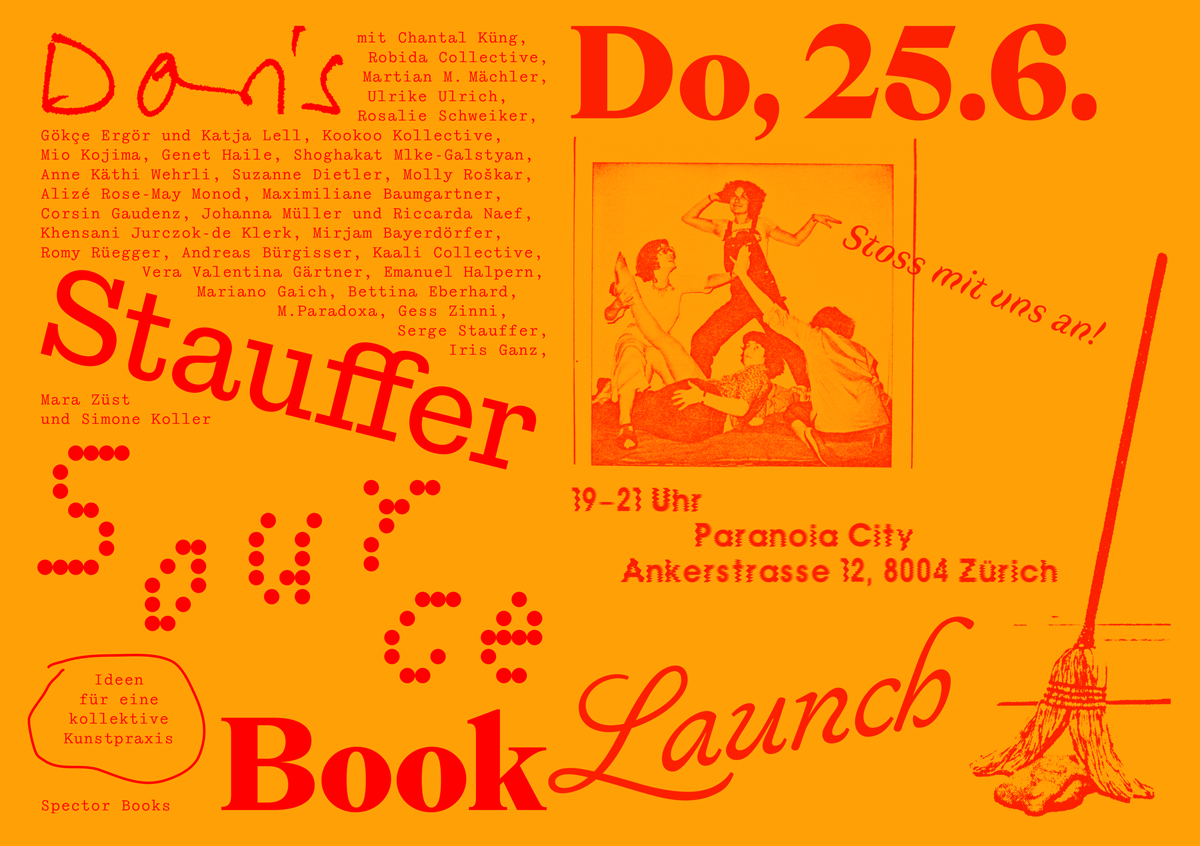
Doris Stauffer: Source Book
Ideen für eine kollektive Kunstpraxis
Simone Koller: Chantel Küng: Mara Züst
The Doris Stauffer Source Book is a compilation of the key ideas of feminist, artist, and art educator Doris Stauffer (1934-2017) drawn from her work at the Kunstgewerbeschule Zürich, the F+F School for Experimental Design, and the Frauenwerkstatt. Historical teaching material from formats like "Teamwork" and "Hexenkurse" (so-called Witching Courses) is juxtaposed with assignments undertaken by activists and artists from Europe and South Asia, who give their critical take on Stauffer's approaches from the 1970s, which they reformulate and reframe. What aspects of her educational practice are still relevant? How can they be implemented and built on today? A collection of ideas for anyone interested in collaborative methods of teaching art that are critical of discriminatory practices. The handbook includes an essay by Chantal Küng. Doris Stauffer was an artist, art educator, and cofounder of the F+F School for Experimental Design and the FBB women's liberation movement. Simone Koller is a visual designer, educator, and co-editor of Doris Stauffer: Eine Monografie (2015, with Mara Züst). Mara Züst is an artist, art educator, and author. She actively champions art in regions of conflict. Chantal Küng is an artist and art educator. Her research focuses on critical pedagogy in the arts.
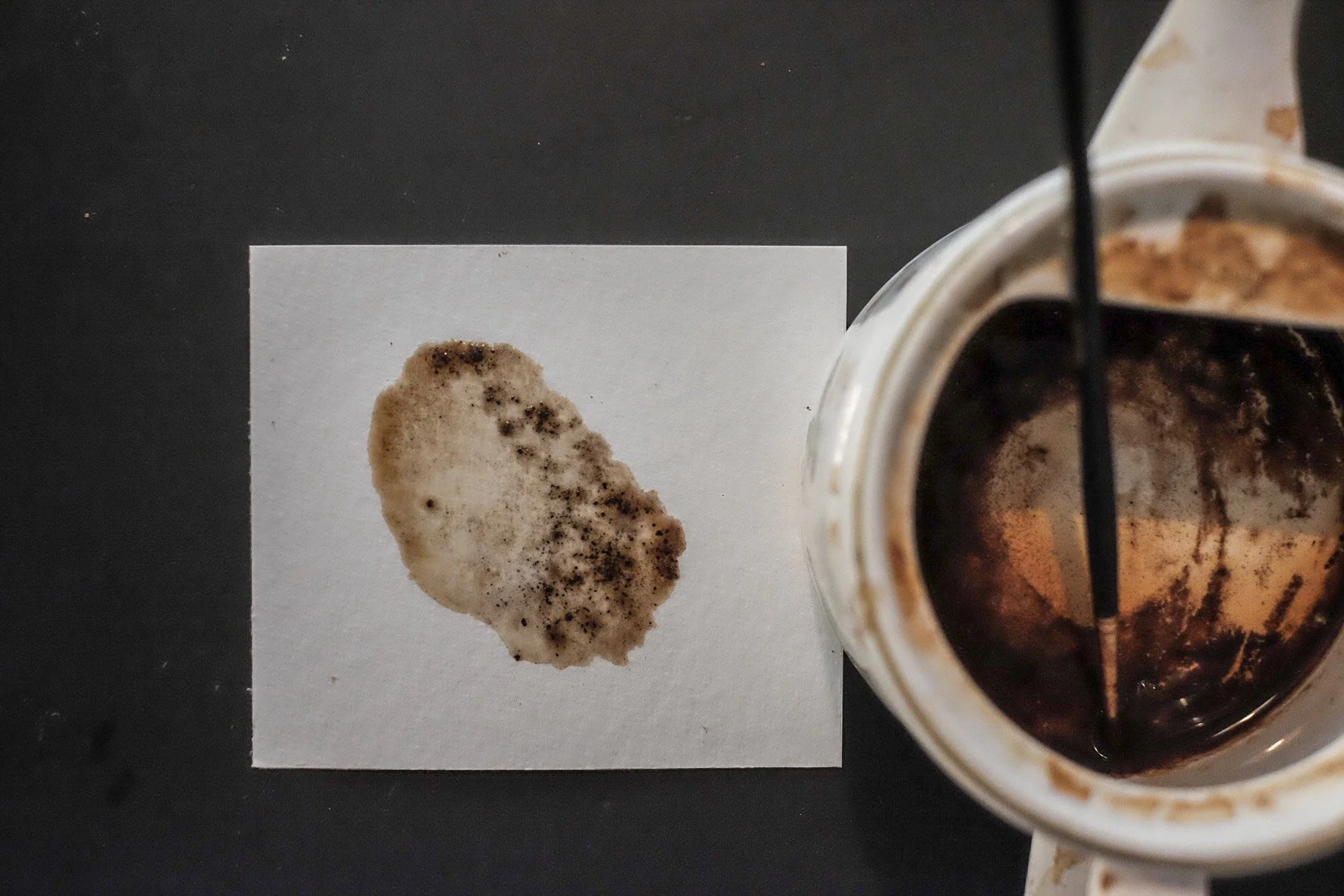
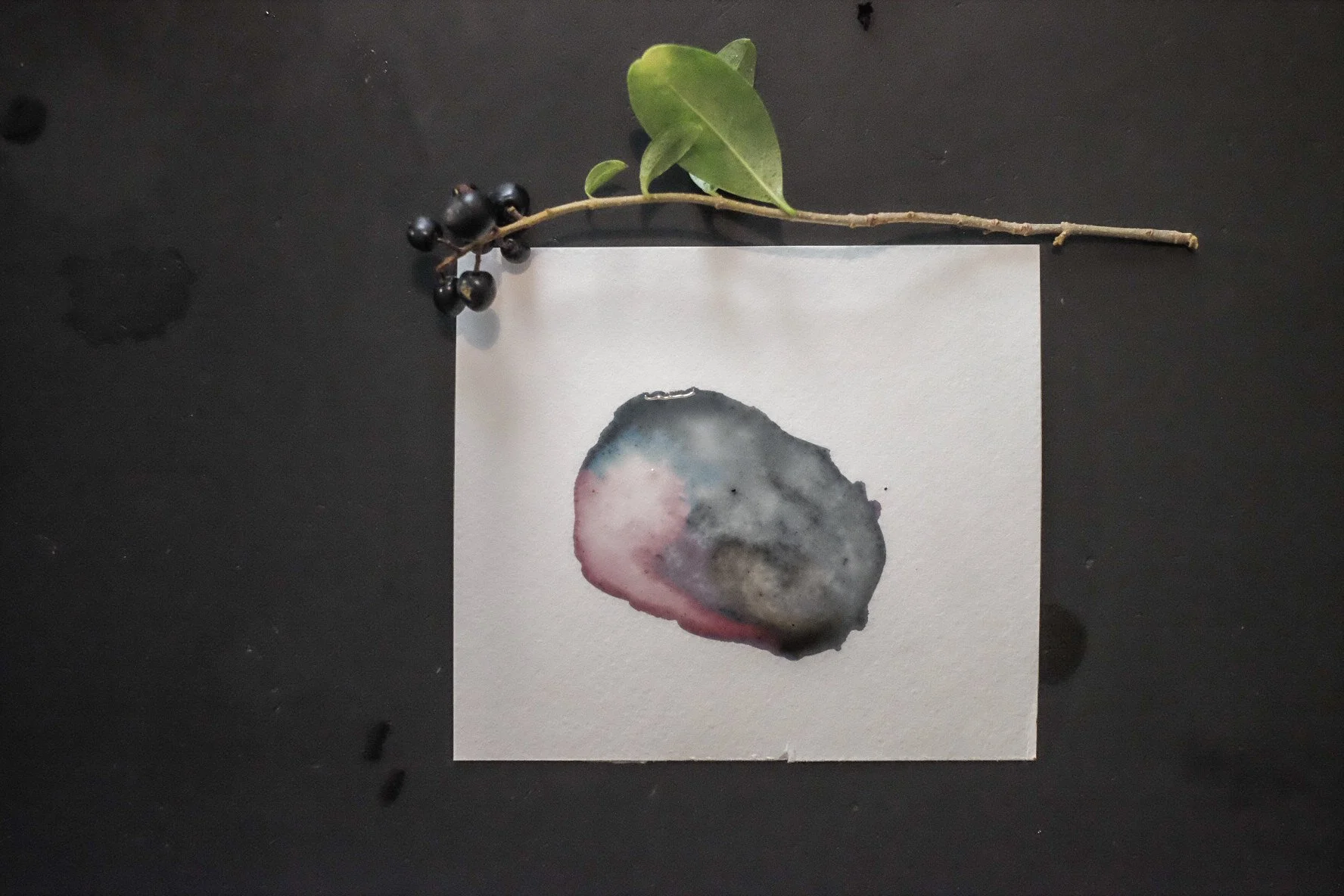
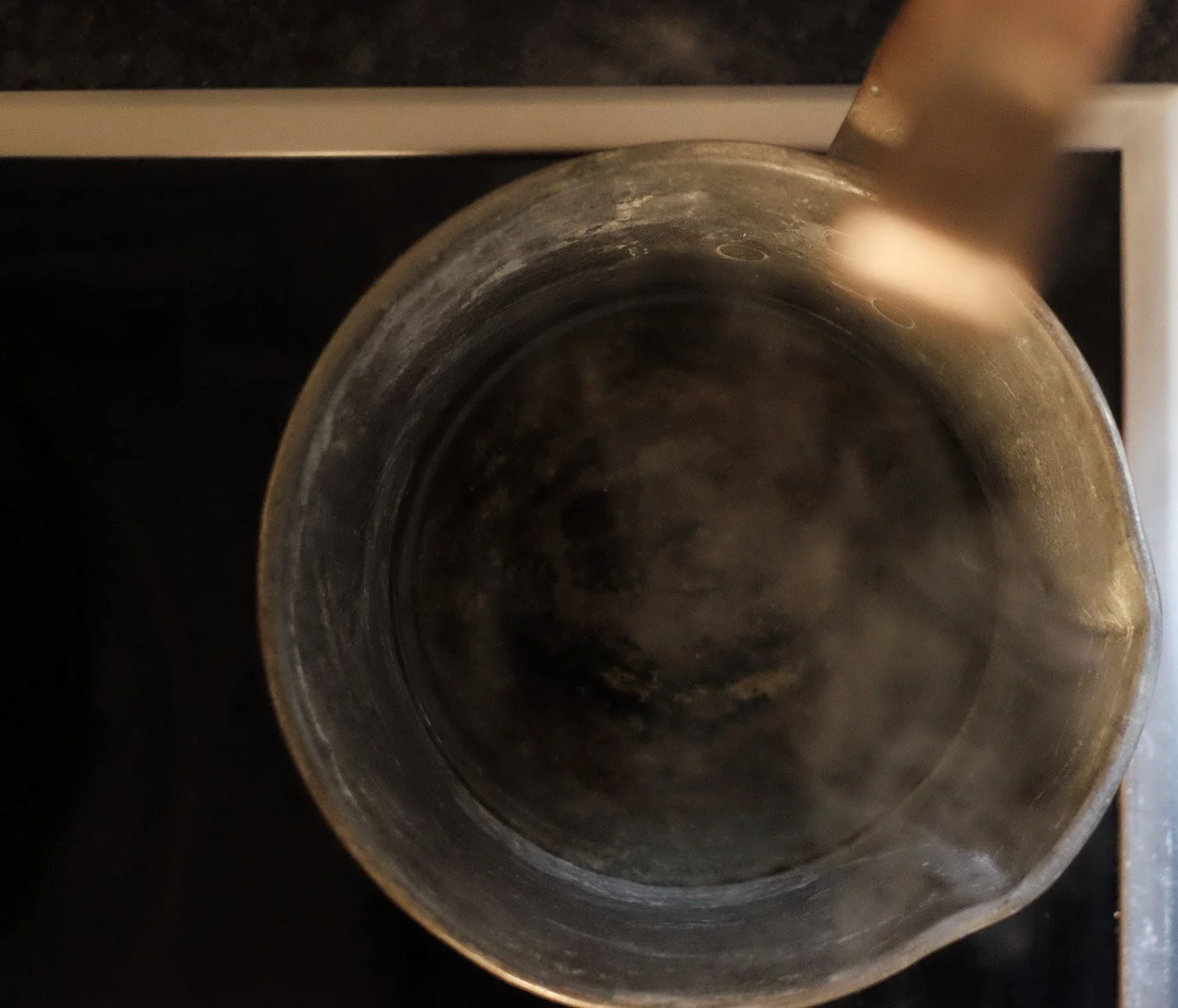
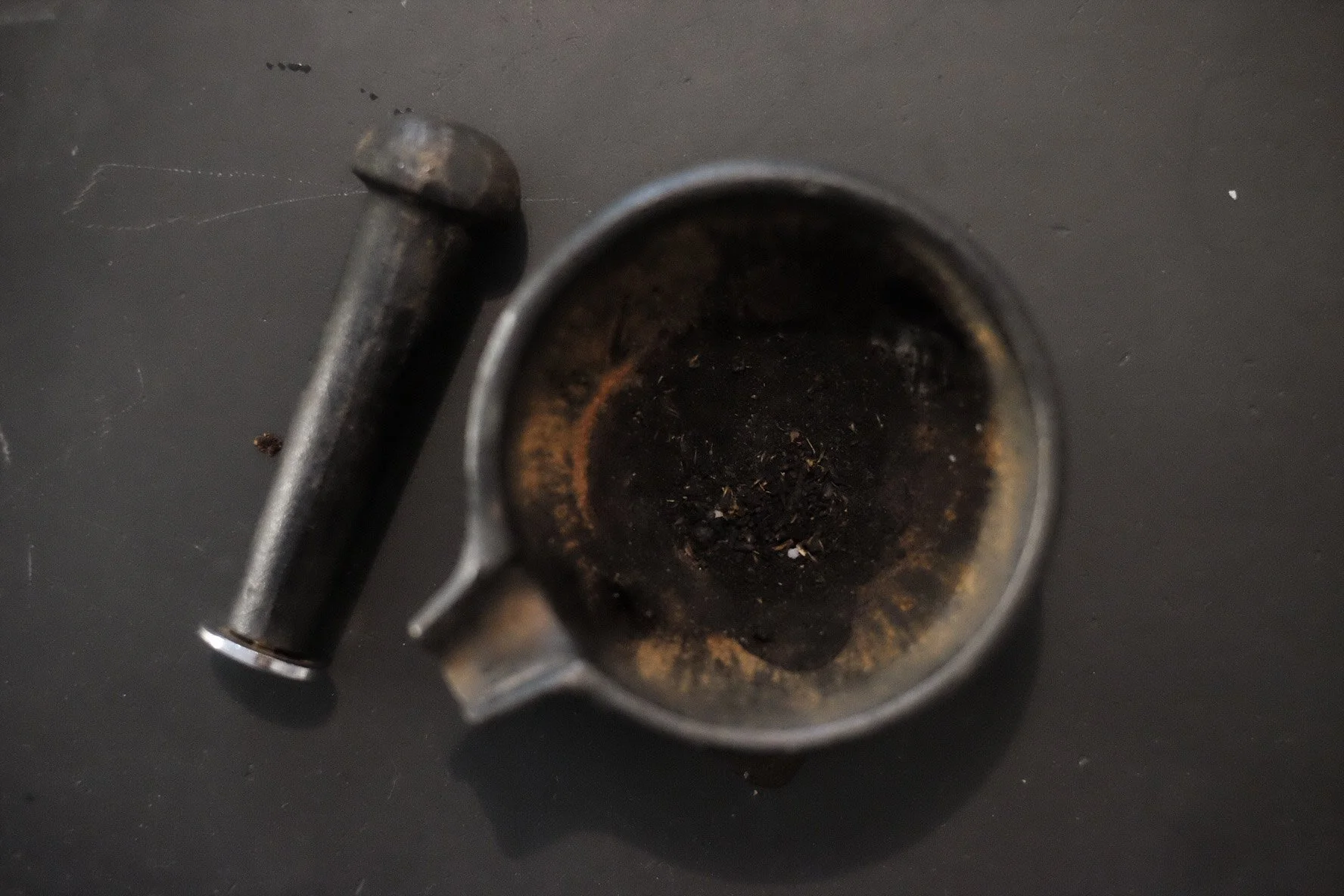
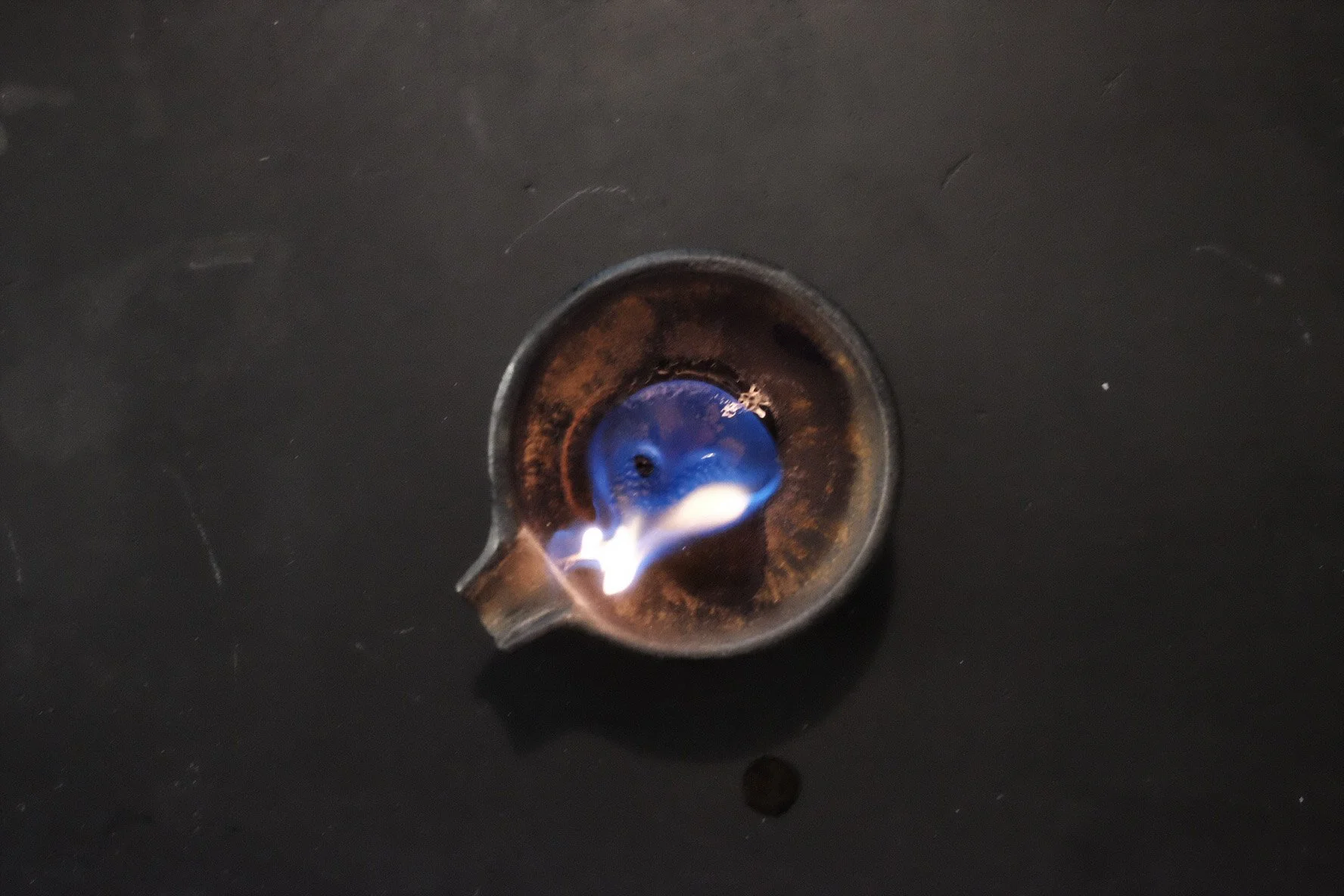
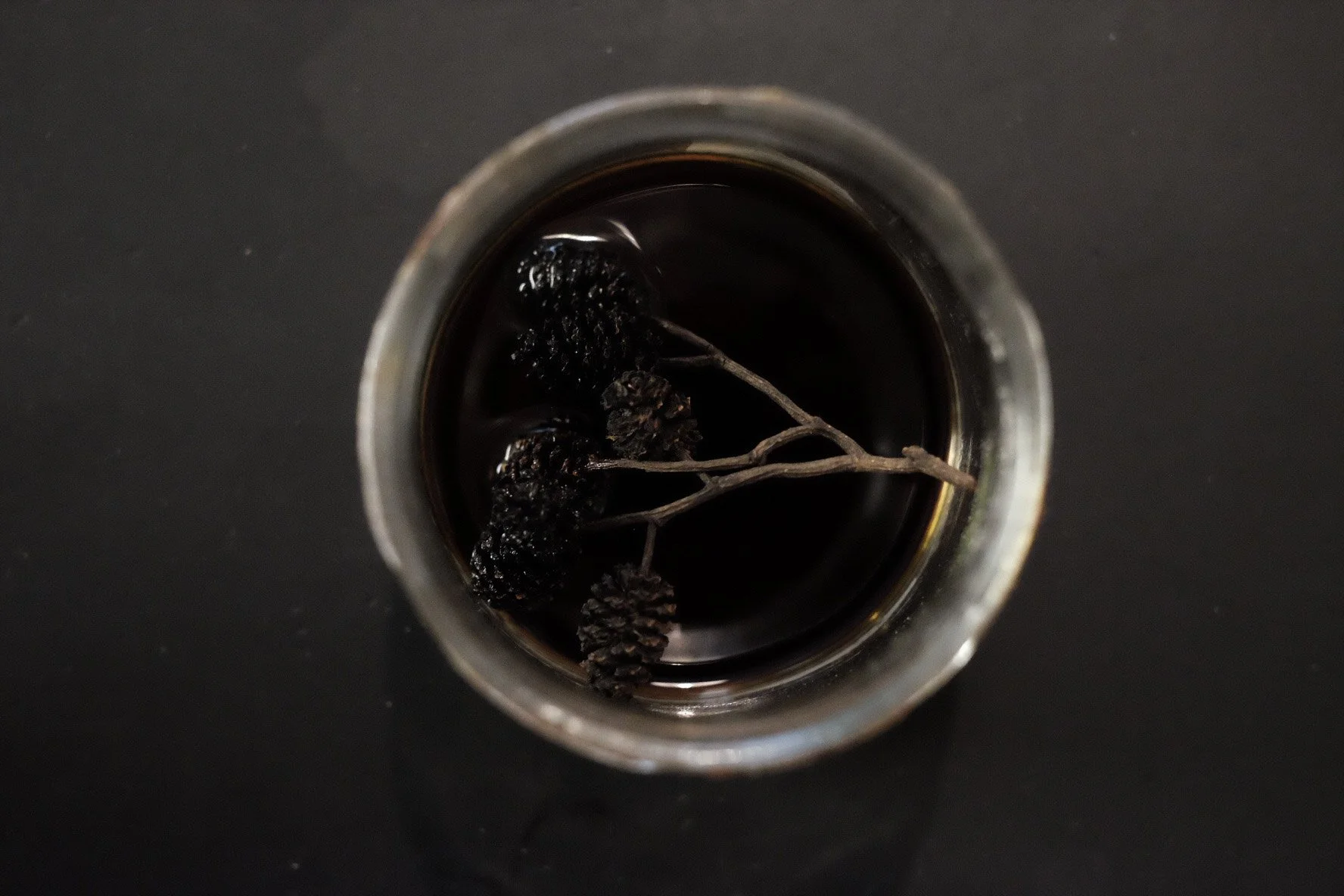
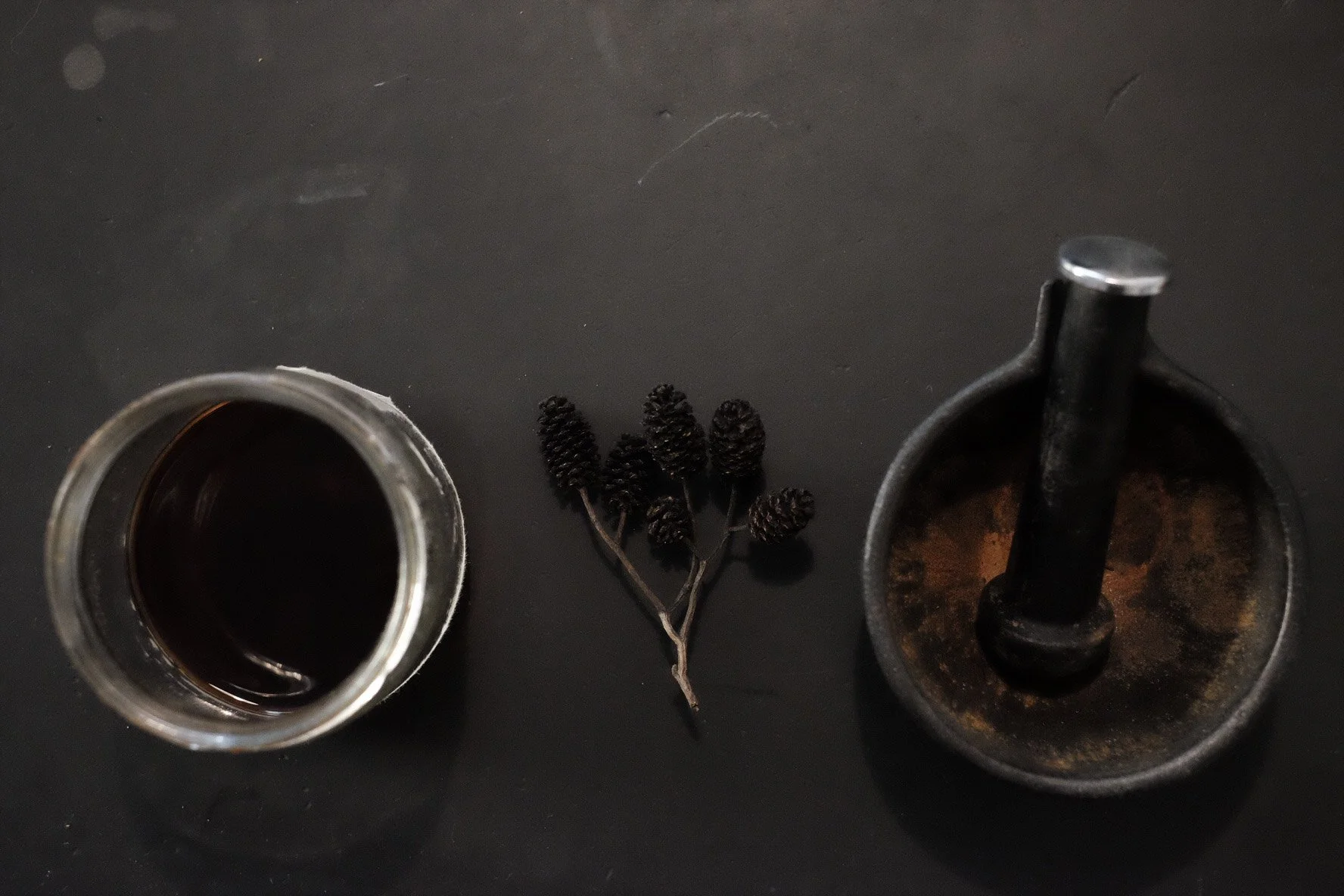
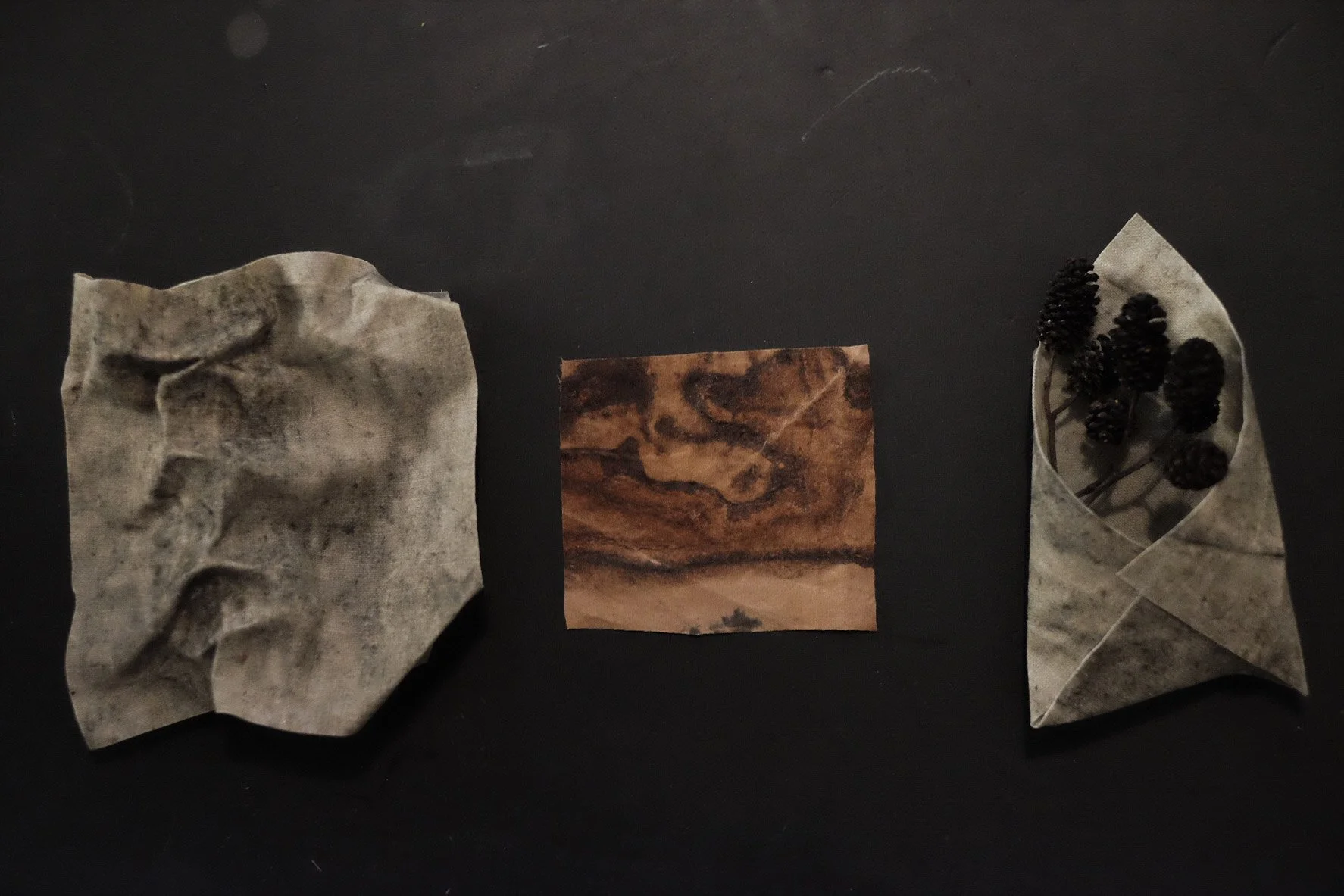
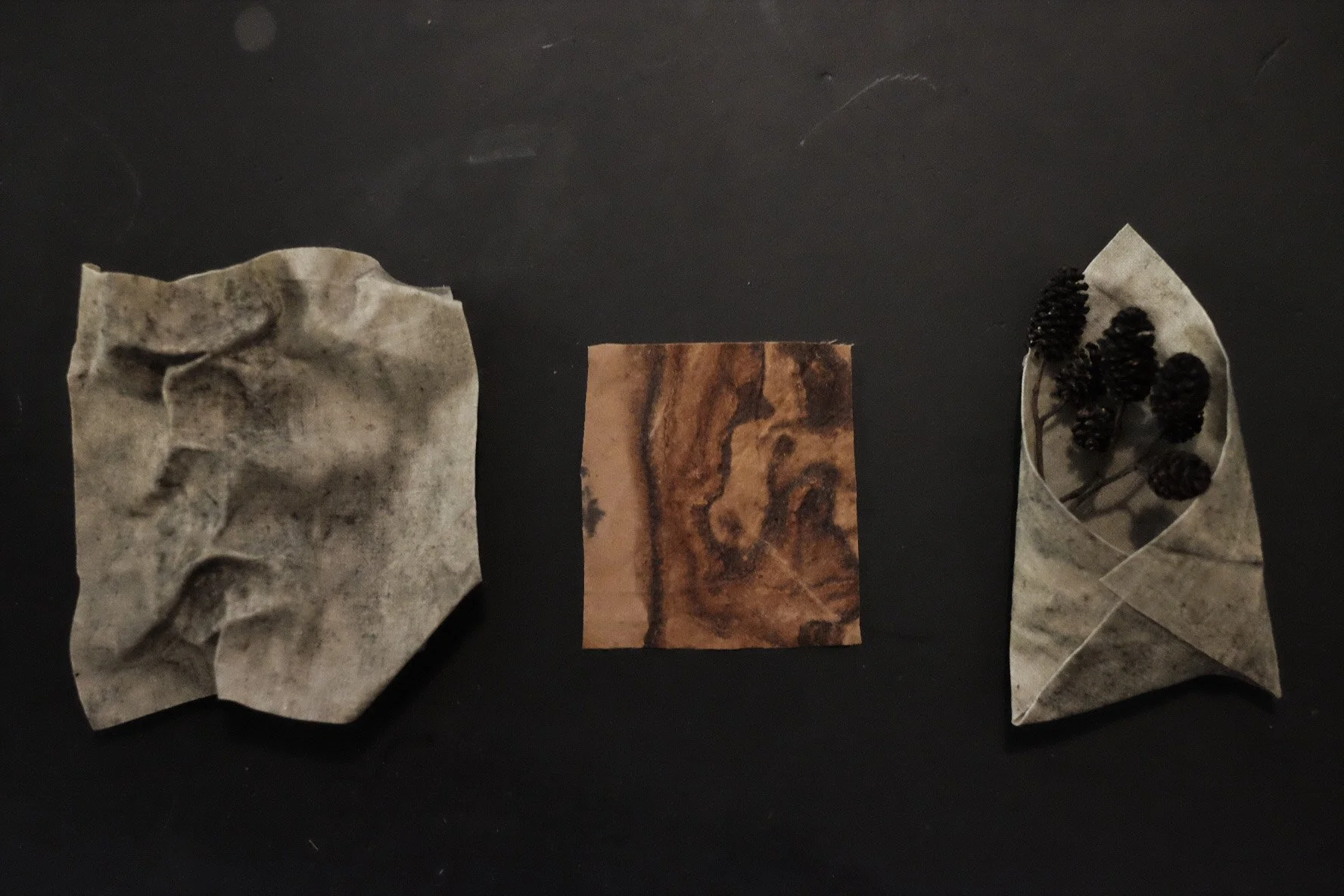
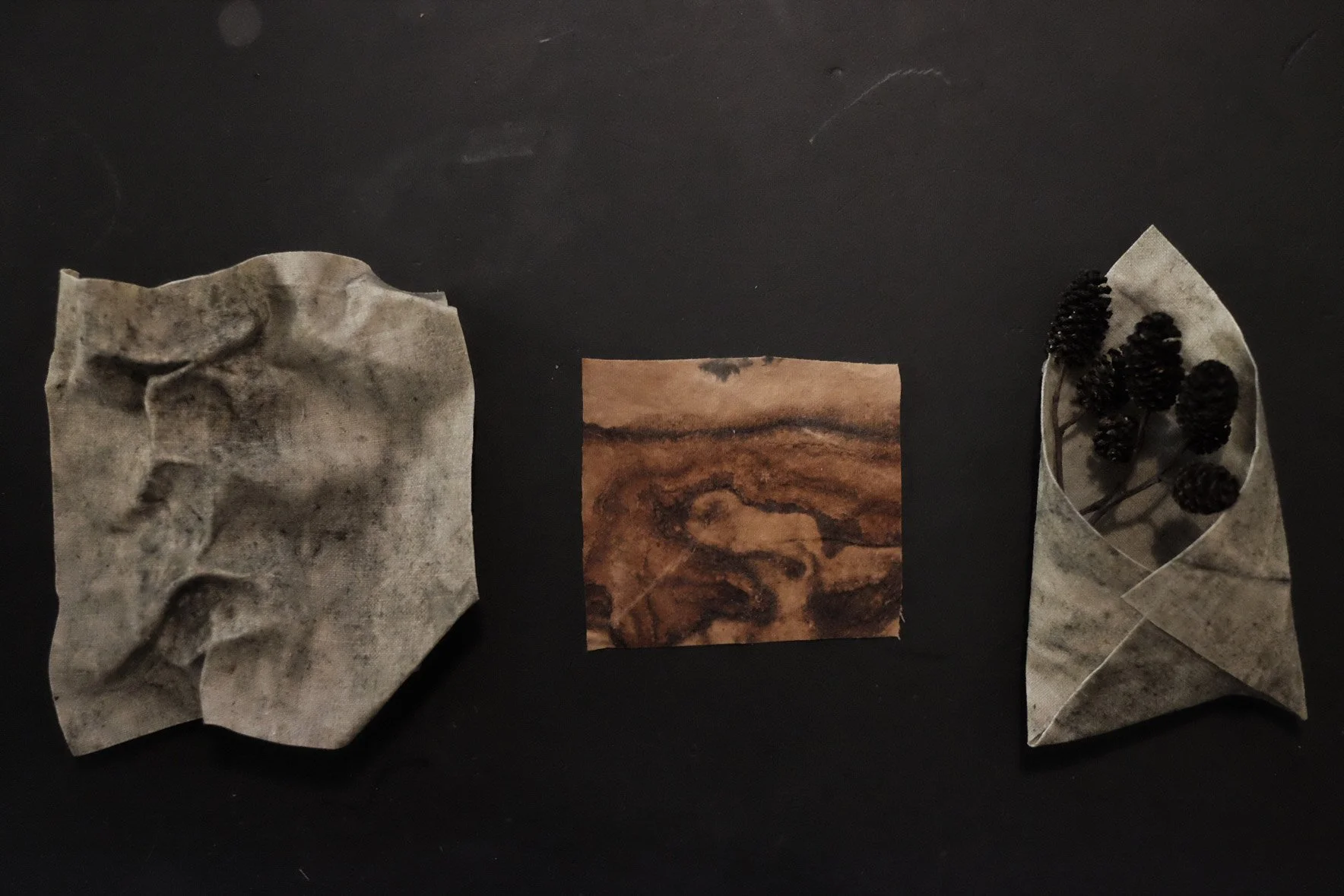
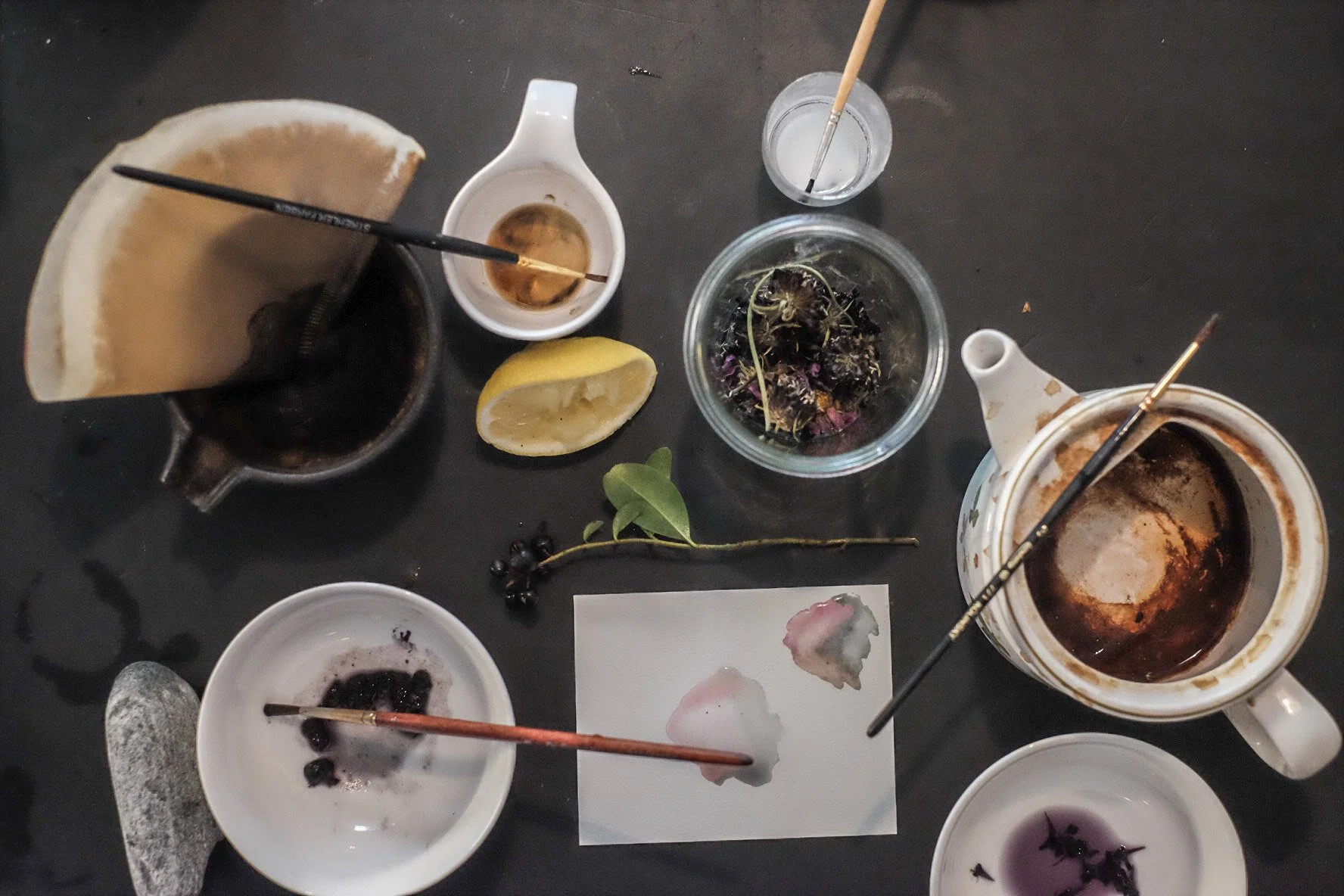
my contribution Witches brew: how to understand the commonplace through strange interaction. Reflections on Doris’ themes of transformation: Water Fire Wood
I chose to work with cloth, wood, fire und water. By going through these exercises I was able to understand what seemed like core elements. At the heart of the exercises is transformation…Doris’ processes allow tangible materials to become mercurial, or mutable. Materials can metamorphose in our interaction with them.
Themes in Doris’ exercises are the Alltäglich, the ordinary and the commonplace. She is continually creating spaces and rituals to make space for Verändern and Verfremden. ( I love these words ) my english speaking brain can’t help but make funny and irregular literal translations so I am left with the feeling that she makes spaces to see things otherwise and to make these same commonplace things strange.
Through ritual and through the relationship between particular things Doris makes spaces where transformation of the ordinary and commonplace into something strange and otherworldly is possible.
No thing, however finite, exists in isolation. She is always placing what we perceive into intra-actant relationships.